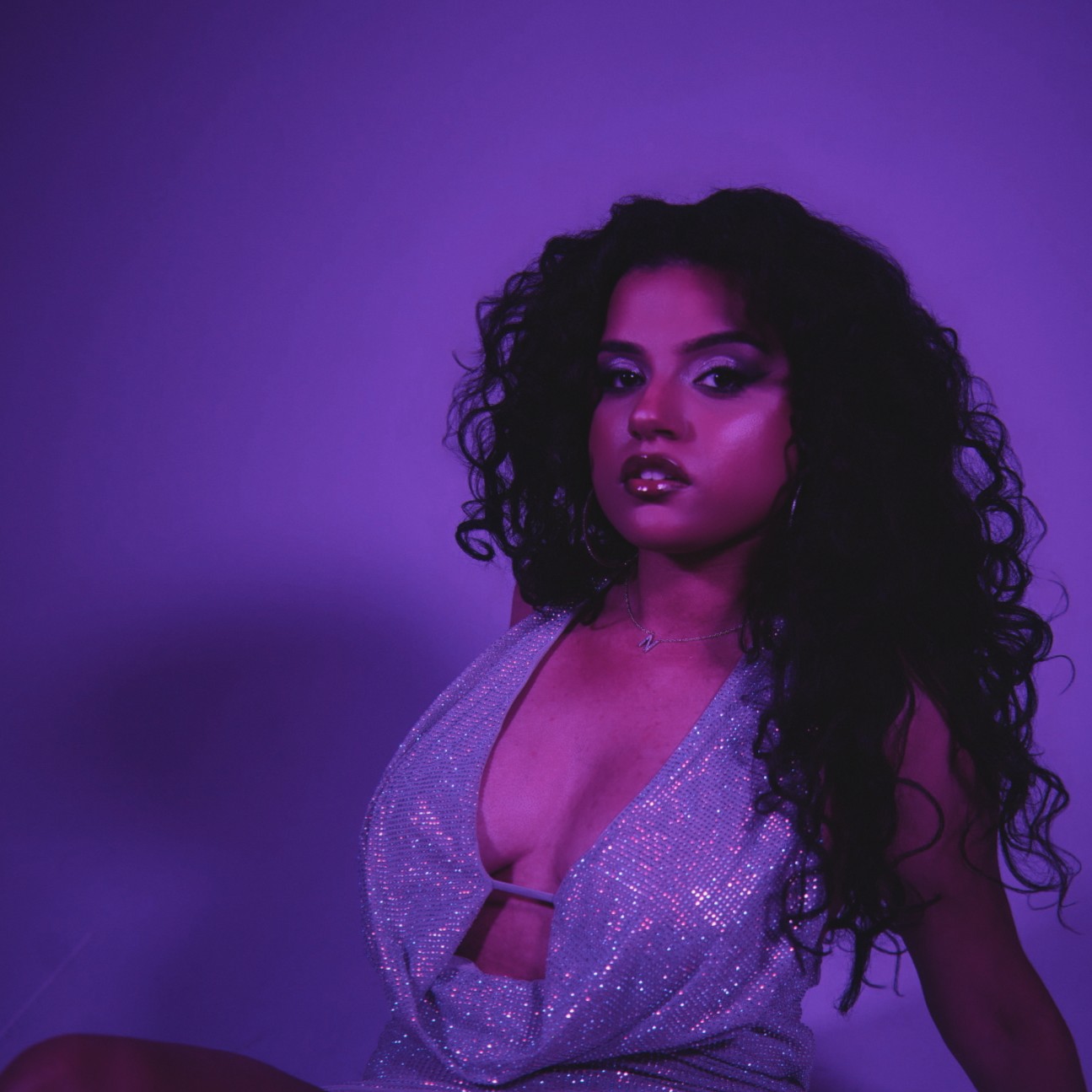

Tonje Gravningsmyhr is a Norwegian singer-songwriter, vocalist, trumpeter, flugelhornist, and pianist from the small coastal town of Moss, Norway. Born into a musical family — she started playing brass instruments and piano as a very early age. After years of classical trumpet training and studies, she forged her own distinctive path in pop music.
Her sound is defined by a warm, raw, and emotionally powerful voice paired with expressive horn textures and deeply honest songwriting. She explores themes of love, loss, identity, imposter syndrome, resilience, and the beautiful complexities of adult life with rare vulnerability and strength.
Since her debut album, Wandering, she has released Maze and her first full Norwegian-language album, Vektløs. Her fourth album, Stupid Things, arrives in spring 2027. She is also a key member of the newly formed Eriksen, Gravningsmyhr & Øien Trio, which will tour with Christmas concerts in December 2026, the same month she releases her new holiday single, “Downtown in December.”
Tonje Gravningsmyhr co-wrote the lyrics and made the music for the moving song, “Hold rundt meg,” with a mother who lost her daughter to suicide. The track became a part of LEVE Norge’s national suicide prevention campaign. In addition to her music career, Tonje Gravningsmyhr serves as daily leader of Østfold musikkråd and has twice served as a jury member for the Spellemann Awards. Her music stands out for its unique ability to feel both deeply personal and universally resonant.
With Maze out, we took some time to hear from Tonje Gravningsmyhr. Read below to learn more about Tonje Gravningsmyhr, the story behind Maze, and what’s to come.
Hi Tonje Gravningsmyhr! Let’s start with how did you choose your artist name?
That was easy. I never really considered anything else but my own name. I’ve toyed with the idea of something shorter and catchier many times, but it always felt wrong. At this point, Tonje Gravningsmyhr isn’t just my name — it’s part of the whole artistic package.
What city are you from, and where are you based now?
I’m from Moss, a small coastal city about an hour south of Oslo, Norway. That’s still home, and I genuinely love it here. There’s something grounding about staying rooted in the place that shaped you.
At what point in your life did you decide to pursue a career in music? How did you get started?
I was born into a musical family. My father played French horn in a military staff band, so the house was always full of brass instruments. I started playing them as a child and picked up piano very early too. I’m deeply grateful I began serious music lessons at a young age. School band, adult brass band, college, a master’s degree, and composing studies followed. Then life took over, and this overwhelming urge to write songs and lyrics hit me. Once I started, there was no stopping. Honestly, I still can’t.
How would you describe your sound?
Acoustic pop with a rich blend of horns and strings woven into a classic band setup. Some tracks feel like pure pop, others drift into alternative folk territory. I like colors that don’t always belong together.
Do you have any hobbies outside of music? What do you do to stay creative?
I strength train four to five times a week. There’s something powerful about pushing your body while giving your mind a complete break. The physical strength somehow fuels the creative fire — it’s my secret reset button.
Who are some of your main musical influences?
I grew up surrounded by classical music. Later I found my way to Joni Mitchell, Taylor Swift, Anne Grete Preus, Norah Jones, Leonard Cohen, and Pat Metheny. Their DNA doesn’t always show up directly in my songs, because I enjoy pulling threads from many different worlds and weaving something new.
What’s one of the proudest moments of your music career so far?
Releasing three albums in three years feels meaningful. But, the moment that touched me deepest was writing a song with a mother who had lost her daughter to suicide. That song became the soundtrack for a national video series on the topic and brought me to a big concert in Bergen. When people tell me how profoundly it moved them, I’m reminded why I do this: real stories make the music matter.
What would you say are the greatest lessons that you’ve learned so far?
You have to work incredibly hard — that was never a surprise. But the real lesson is that you must do it for the music itself. Everything else is noise. Create to make your own life richer and to touch other people’s lives. Write lyrics that say something honest about what it means to be human: the colors, the chaos, the love, the pain, and the beauty of it all.
What advice would you give to your younger self just starting out in music?
Don’t be afraid. Give it absolutely everything you’ve got. Care far less about what others think and far more about staying true to your own voice. Collaborate as much as possible. Build real relationships and become someone people enjoy working with. It opens doors to opportunities, concerts, and creative adventures you can’t even imagine yet.
Now onto your release, Maze. What inspired this album?
I’ve always been the person who literally walks into walls and doorframes. At some point I realized life itself is a maze. You move forward, hit a dead end, find a new path, only to hit another wall. Almost nothing is linear. We’re constantly navigating colliding emotions and experiences — pain and joy rarely travel alone. That tension became the heart of this album.
What is the overall theme of Maze?
It’s about living as a grown woman — no longer young, not at all old, but carrying enough scars and stories to understand a lot. It’s about falling, rising, reflecting deeply, and trying to understand what it means to be human in all its messy, beautiful complexity.
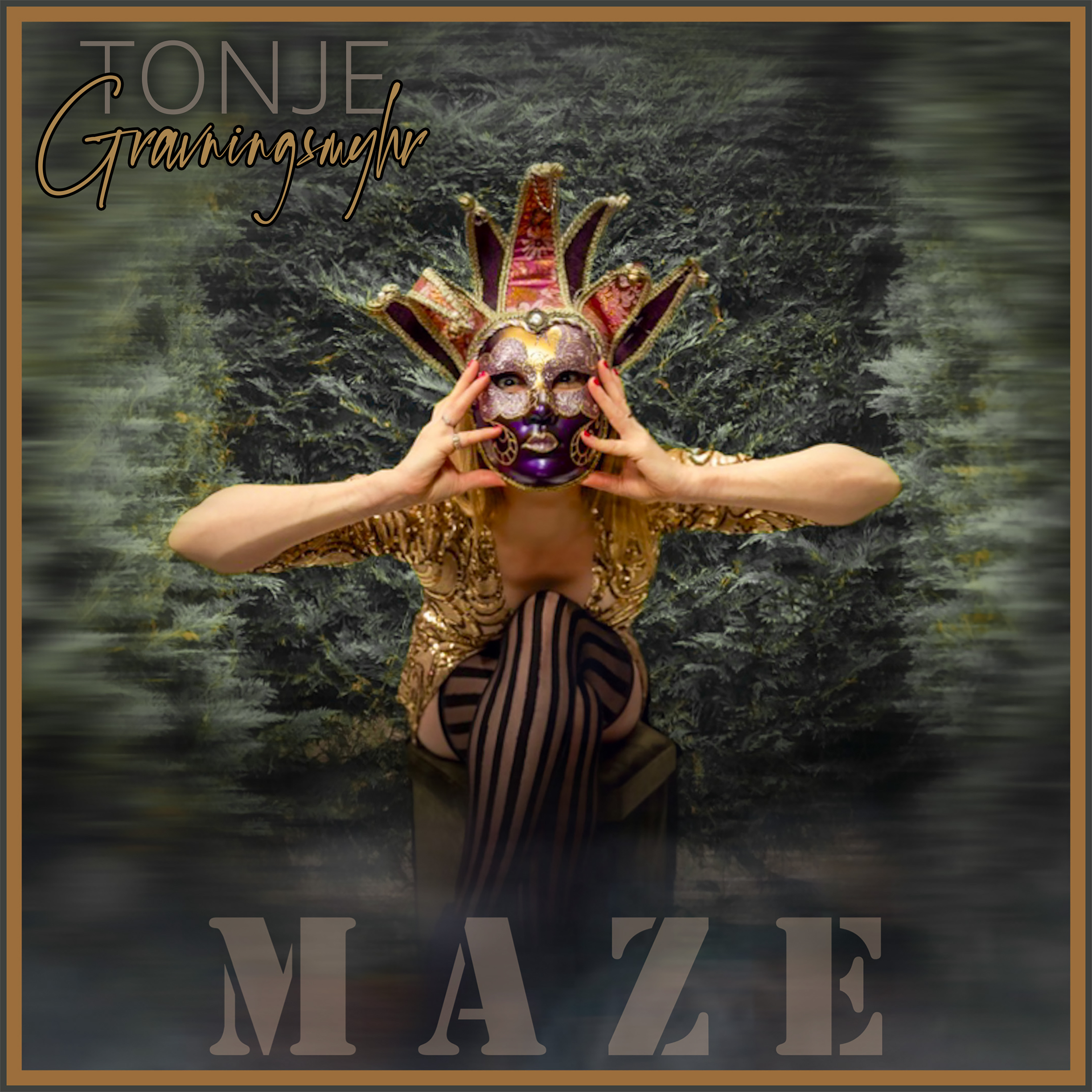
What was the inspiration behind the cover artwork for Maze?
It’s a lush green maze made of hedges, with me sitting in a dead end wearing a mask. The mask represents all the ways we hide. This album is my decision to finally take it off — to show every side of myself, the light and the shadows.
What was the creative process like when making Maze?
I began writing right after my debut album, Wandering. Often, I just write what comes to me, at least that ´s the start of a song. Sometimes though, I hear something i like and want to make a song in that style, with about the same form or tempo. Then that becomes my inspiration.
When I had a couple of demos, I reached out to my favourite guitarist, Håvard Bendiksen, and sent him lyrics, chords, and demos I had made at home on my Nord Stage 3 — layering horns and textures in Logic Pro on my Mac. Then, I asked my man Terje Norum to record keys and Rino Johannessen to record bass on this one song. Then I did all the vocals in E-studio with Eivind Skovdahl (who has worked with vocals for Morten Harket, WigWam and many others). Anders Wyller came to do two songs with me in the studio. Then I did all the horns in our studio – we have a studio in our house. At last I went to Jelöy Sound and Magnus Gulbrandsen to get the album mastered.
How long did it take to complete Maze?
About seven intense months. I work fast and can get impatient when the pace slows down (yes, I know it’s a bit childish). I have this relentless drive that keeps pushing me forward. When the writing turns sour, I step back — and life always delivers new stories when I’m ready again.
Is there a specific song on Maze that speaks to you the most? If so, why?
“Running” had to be on this album. I wrote it right after losing my mother to cancer — it’s about time running out for us and the realization that I’ve spent much of my life running from important things in life. “Catching Your Fire” is a love song and a battle cry at the same time: dare to live fully, fight the storms, and rise every time you fall. “Imposter” is playful but painfully honest — that familiar fear that someone will eventually discover you’re not quite as good as they think. Many say they recognize themselves in it and that it’s a cool song.
What message or messages do you hope fans take away from Maze and your music in general?
You’re not alone in this. Life is hard and you’ll face deep crises more than once. You’ll lose your way, have days where no one seems to see you, and moments when you can’t see others. But there will be sunny days again. You’ll be okay. Sometimes you run, sometimes you need to hear “I love you” out loud, sometimes you just want to feel light as wings. There’s always hope woven in.
What’s next for you? Are you working on any upcoming projects, or do you have any upcoming shows that we should be on the lookout for?
After Maze, I released the Norwegian album Vektløs in 2025. In 2027, I’ll release Stupid Things — an album about the messy realities of relationships, wrong choices, unspoken pain, loss, and finally forgiveness and inner peace. It sounds heavy, but like all my work, it carries a strong undercurrent of hope and growth.
Where can we follow you on social media?
Most active on TikTok: https://www.tiktok.com/@tonje.gravningsmyhr
Instagram: www.instagram.com/iam_tonjegravningsmyhr
YouTube (music videos): https://youtube.com/@tonjegravningsmyhr
Facebook: Tonje Gravningsmyhr
Before you go, let’s ask you an off-topic question. What’s something that people would be surprised to learn about you?
That I’m remarkably clumsy in real life. I have a constantly rotating collection of bruises from walking into door frames and furniture while my head is somewhere inside a new lyric. Turns out the maze theme is extremely autobiographical.
Thank you for the great interview; wish you much continued success!