Michele Braid-Topcu is a dark orchestral pop artist whose music blends cinematic intensity with emotional depth and atmospheric production. Known for her dramatic, widescreen soundscapes and haunting vocal delivery, she channels themes of resilience, transformation, and personal power into her work. Her latest single marks a bold new chapter in her artistic journey, further establishing her as a compelling voice in the modern dark pop landscape.
With “Front Row” out now, we took some time to hear from Michele Braid-Topcu. Read below to learn more about Michele Braid-Topcu, the story behind “Front Row,” and what’s to come.
Hi Michele Braid-Topcu! Let’s start with how did you choose your artist name?
I borrowed my real name until I figured out who the artist was.
What city are you from, and where are you based now?
I’m from Scotland, but Melbourne’s where the music found its voice.
At what point in your life did you decide to pursue a career in music? How did you get started?
I went from school musicals to nightclub stages pretty quickly. As a teenager, I was dancing professionally, got spotted by a band sitting at number one in the charts, and suddenly, I was touring the world. After that I worked as a showgirl at David Guetta’s iconic club residency. It wasn’t exactly a five-year plan—it was more like saying “yes” every time the spotlight moved.
How would you describe your sound?
My sound is glamour with a knife-sharp edge. Dark orchestral emotion collides with industrial textures. It’s the sound of someone who’s lived on the streets and later walked through five-star hotels, yet never quite belonged to either world.
Do you have any hobbies outside of music? What do you do to stay creative?
Absolutely. I love animals, being in nature, fitness and living a healthy lifestyle. Creativity doesn’t really happen for me in chaos—it happens when I feel grounded. I’ve learned that to stay creative, I need balance and safe spaces, so I make time for the things that genuinely make me feel good, happy and connected. That’s usually where the best ideas find me.
Who are some of your main musical influences?
The artists who influence me aren’t simply people that I listen to or watch — they’re architects of atmosphere. They build emotional worlds with their own rules, their own shadows, their own sense of danger.
I’m drawn to work that feels cinematic from the inside out, where mood is never decoration; it’s part of the story. That’s why I return to the language of film, especially the tension and psychological precision of Alfred Hitchcock. His work understands that what’s withheld can be more unsettling than what’s revealed. Restraint, implication, and unease can say more than spectacle ever could.
I’m equally influenced by Bernard Herrmann, whose scores could make a room feel haunted before anything had even happened. His music doesn’t politely sit beneath a scene; it stalks through it. It creates tension, seduction, panic, and glamour with a kind of surgical elegance.
I also respect the confrontational theatricality of Marilyn Manson — not for shock value alone, but for the way image, discomfort, and performance can challenge what people expect from music and character.
Overall, I’m inspired by artists who don’t just make work — they construct atmospheres. The kind that leave you feeling as though you’ve stepped into a film, even if only for a moment.
Not charts or stages—writing my own songs. Finding my voice when staying silent would’ve been easier.
What’s one of the proudest moments of your music career so far?
To trust myself, and to trust the universe. I don’t need certainty, just instinct. And I’ve learned that not everyone will understand what you’re building.
Now onto your release, “Front Row.” What inspired this song?
“Front Row” is about existing on both sides of the stage—as dancer and spectator. It explores watching and being watched, and the tension between what people project onto you and what you actually carry. It’s the beginning of my new music, and what comes next is the birth of me as an artist. It’s about permission—to watch, to feel, and to not apologise for either.
What is “Front Row” about?
“Front Row” is about owning your presence without apology—no asking, no softening, just control, glamour, and the quiet power of being fully seen on your own terms.
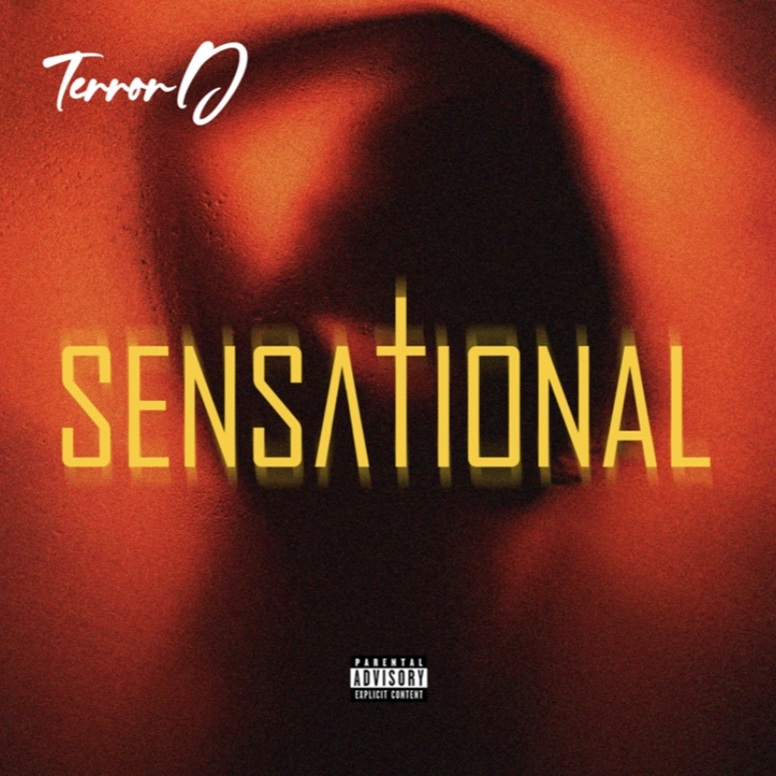
What was the inspiration behind the cover artwork for “Front Row?”
I wanted the cover to feel like a confession you weren’t ready for.
The mouth is everything we don’t filter — the things that we want to say, the things we’re told, the things we swallow.
The grill says “FRONT ROW” because this is where it happens. Up close. No distance. No edit. Just raw observation and raw emotion.
The saliva is what’s left when you can’t hold it in anymore. It’s vulnerability without apology. It’s lust, it’s pain, it’s release.
It’s beautiful, but it’s not clean.
Just like the truth.
What was the creative process like when making “Front Row?”
My creative process always starts with sound. I work closely with my incredible producer, Trevor, and we begin by searching for sounds that make us feel something—something emotional, visceral, or even a little unexpected.
I’m always drawn to sounds that aren’t too polished. Other than the production itself, I like things to feel raw, have an edge, and sometimes even feel a little dirty. Life isn’t always polished, and I need my music to reflect that. I want there to be texture, honesty, and imperfections that make it feel real.
From there, we build a rhythm, and before we know it, we’re creating a whole world through music. As a songwriter, a lot of what I write comes from my own experiences in the dance industry. Once the music is there and the feeling is right, the words usually start flowing out of me like they were waiting to be born. It’s such a beautiful process—turning lived experiences into something people can hopefully feel in their own way.
How long did it take to complete “Front Row?”
It took about a month to create, but the lyrics had been waiting much longer to be born. They were sitting somewhere under my skin, getting restless, until Front Row finally gave them a stage—and naturally, they arrived with a little attitude.
What do you hope fans take away from “Front Row” and your music in general?
I want fans to walk away knowing this: I decide who gets to look, and how long they get to stay. “Front Row” is about owning your presence without apology—no asking, no softening, just control, glamour, and the quiet power of being fully seen on your own terms.
What’s next? Are you working on any upcoming projects, or do you have any upcoming shows that we should be on the lookout for?
What’s next isn’t a reinvention. It’s a reveal with the edges still sharp.
On July 5th, I enter the Dollhouse Show, but more importantly—Miss Grey gets introduced properly. Not as a concept, not as a character… but as something that already existed and was just waiting for the lights to catch her.
I’m releasing Miss Grey at the same time—dark orchestral pop with a burlesque pulse and something slightly unwell underneath it. It doesn’t sit comfortably, and it’s not supposed to. It feels like elegance with its teeth showing.
And I’m finishing Daddy Issues in the studio, which is becoming less of an album and more of a controlled detonation.
So what’s next? More exposure. Less disguise.
And a growing sense that Miss Grey was never waiting to be introduced—just allowed to finally speak.
Where can we follow you on social media?
@michelebraidtopcu
https://open.spotify.com/artist/7fUSlPh6sAU1fiUMxzVpSO
Thank you for the great interview; wish you much continued success!