
Martina Lupi is more than just a voice: she is a seeker of invisible frequencies, an artist who has successfully carried the ritual power of ancestral instruments into the sophisticated textures of contemporary songwriting.
After years of experimentation with the Tupa Ruja ensemble, where the didgeridoo and harmonic singing became instruments of pure narration, Martina Lupi now arrives at her long awaited solo debut: Dannate Salvatrici (Damned Saviours / Filibusta Records).
This album marks the birth of a new singer-songwriter persona, where the word becomes flesh and the sound becomes archetype. At the heart of the project resonates the “Sound of Distance,” an aesthetic and philosophical concept that Martina Lupi explores alongside the pianistic sensitivity of Alessandro Gwis. Here, distance is not absence, but a vibrant territory of anticipation, a fertile void where the piano, electronics, and Martina Lupi’s world instruments engage in a dialogue to evoke what is distant, yet profoundly present.
Drawing inspiration from Jungian archetypal psychology and classical mythology, reinterpreted through a contemporary lens, Martina Lupi writes songs that are small treatises on transmutation. Tracks, such as “Fiamma” (“Flame”) or “La Distanza” (“The Distance”), investigate the wild nature of the soul. Hers is a form of “medicine music.”
Winner of prestigious accolades such as the Folkest Award 2022 and Best Arrangement at the Bruno Lauzi Author Music Award 2024, Martina Lupi has graced renowned stages, from the Auditorium Parco della Musica and the Casa del Jazz to the Teatro Bellini in Naples. She has collaborated and continues to work with internationally acclaimed musicians (including Javier Girotto, Alessandro Gwis, Alessandro D’Alessandro, Michele Gazich, Antonello Salis and Marco Siniscalco), bringing to the stage not just a concert, but a necessary sonic ritual capable of igniting ancient memories through an unmistakably modern language.
With Dannate Salvatrici out now, we took some time to hear from Martina Lupi. Read below to learn more about Martina Lupi, the story behind Dannate Salvatrici, and what’s to come.
Hi Martina Lupi! Let’s start with how did you choose your stage name?
Martina Lupi is my legal name. I chose not to adopt a stage name because I wanted to maintain a sense of complete honesty and transparency between who I am as a person and my journey as a solo artist.
What city are you from, and where are you based now?
Rome is my city. It is where I live, work, and carry out my artistic and teaching activities.
At what point in your life did you decide to pursue a career in music? How did you get started?
My connection with music began in childhood through spontaneous singing and the study of piano. Singing and piano continued to accompany me from childhood into adulthood.
The turning point came during my teenage years. At around the age of seventeen, my encounter with Eastern philosophies, breath-work, movement, and the in-depth study of the voice led me to understand that music and singing were not simply passions, but genuine paths of inner and expressive exploration to which I wanted to devote my life.
How would you describe your sound?
An intimate and evocative fusion of world music, ethno-jazz, and singer-songwriter traditions. The sound is distinguished by the central role of the voice, used both to convey lyrics and as a pure instrument, together with essential acoustic arrangements and a suspended, meditative atmosphere.
Do you have any hobbies outside of music? What do you do to stay creative?
My creativity is nourished by constant study, meditation, and reading. Nature and contact with silence are essential for restoring and renewing my inspiration.
Who are some of your main musical influences?
My roots range from classical music and world music to folk traditions and exploratory jazz. They also include the great Italian and European singer-songwriter tradition, with references to figures such as Fabrizio De André and to Mediterranean sounds, as well as ritual and sacred vocal traditions.
What’s one of the proudest moments of your music career so far?
Certainly the official live presentation of Dannate Salvatrici at the Casa del Jazz in Rome, as well as the recognition I received during the Premio Lauzi. That experience was a fundamental milestone and gave me the decisive encouragement to create the album.
What would you say are the greatest lessons that you’ve learned so far?
Never lie to yourself, whether you are onstage or writing.
Be patient: respect the inner timing of the songs without giving in to the urgency imposed by commercial expectations.
Music as service: the act of singing is not about displaying one’s ego, but about creating a space of sharing and healing with the listener.
Now onto your release, Dannate Salvatrici. What inspired this album?
The album was born from the need to give voice and form to a personal experience of transformation and spiritual exploration that developed over the course of twenty years.
Why did the album remain hidden away for so long?
I wrote these songs over a period of approximately twenty years and kept them private for a long time, with the reserve of someone protecting something extremely intimate.
The turning point came thanks to violinist and composer Michele Gazich. During a car journey home from the Premio Lauzi, Michele listened to my unreleased songs and was deeply struck by them.
He encouraged me, saying: “You have to record these songs and make an album under your own name, because these songs need to find their place in the world.” He was the person who gave me the decisive encouragement to finally bring them into the light.
I am very happy about the wonderful recognition this project has brought me. Today, my dream is for Dannate Salvatrici to continue soaring ever higher and for me to bring it to stages around the world.
What is the overall theme of Dannate Salvatrici?
The figure of the “complete woman” and the ability of pain to transform itself into liberation. The title itself contains this duality: the experience of limitation and suffering, the “damned,” becomes an instrument of salvation, awareness, and rebirth, the “saviours.”
What was the inspiration behind the cover artwork for Dannate Salvatrici?
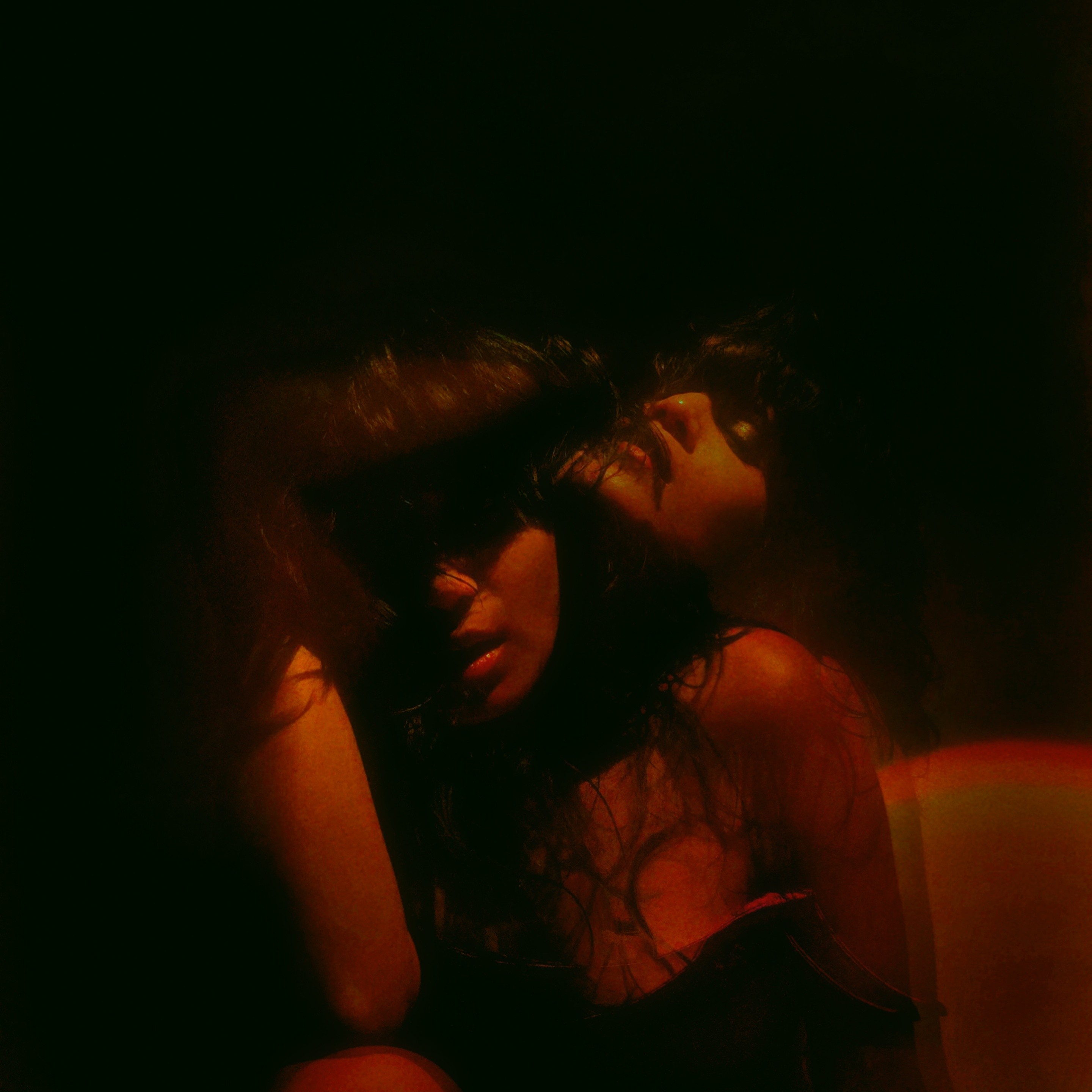
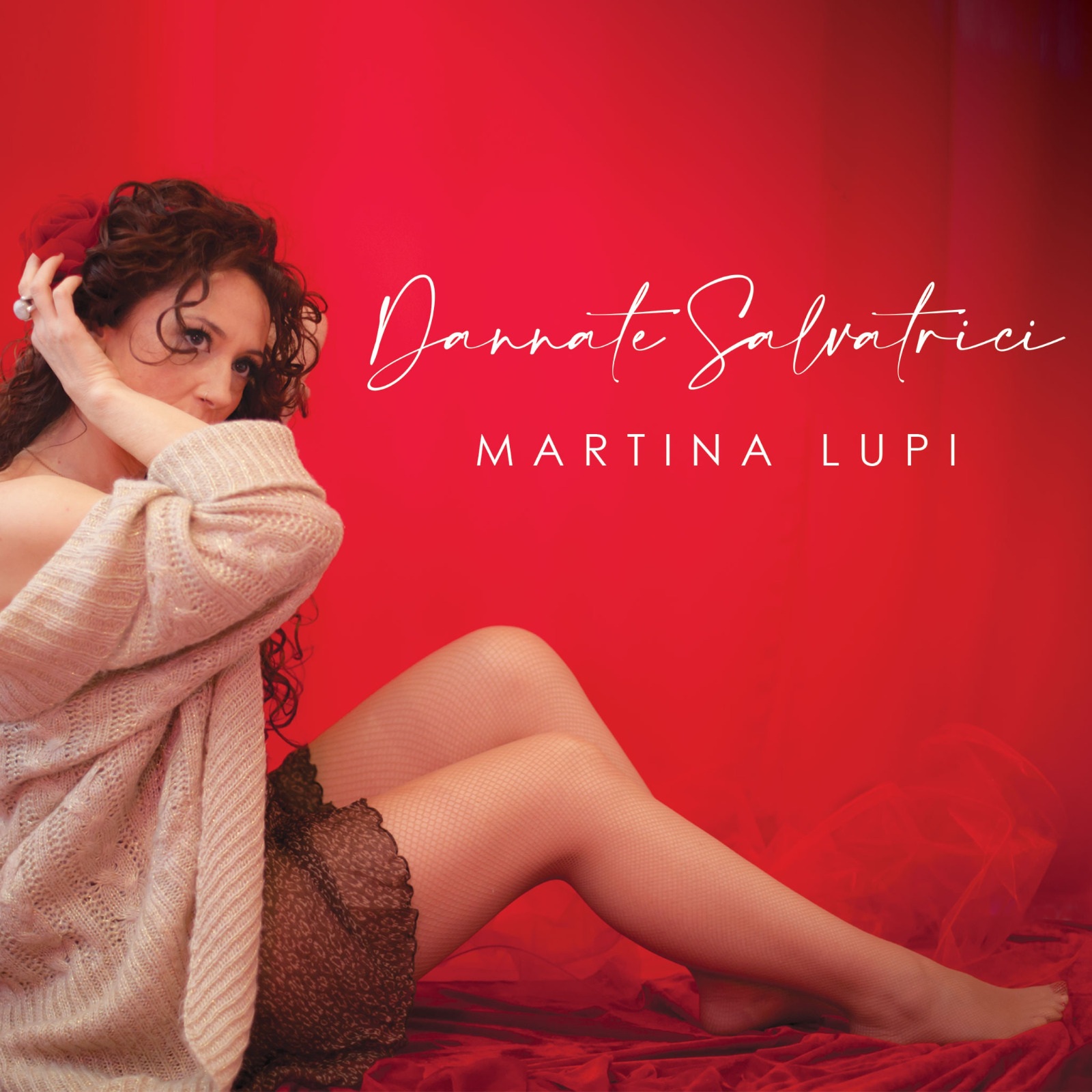
The cover image reflects the essential, intimate, and archetypal dimension of the project. It is a visual portrait that evokes a passage from half-light into light, reflecting the nature of the album as a place of stillness and contemplation in which different aspects of femininity can coexist.
What was the creative process like when making Dannate Salvatrici?
It was a collaborative and deeply human process.My encounter with violinist and composer Michele Gazich was fundamental, as he was the person who encouraged me to record the album.
Equally important was my work with pianist Alessandro Gwis, an extraordinary musician and a valued collaborator of mine for many years. Together, we are able to paint sonic worlds as though we were breathing with a single breath.
Mattia Lotini also played an extremely important role, not only in shaping the guitar arrangements but also in mixing the tracks, enhancing every shade of light and darkness within the music.
The songs were arranged with ample space for breath, improvisation, and acoustic interaction between the instruments.
How long did it take to complete Dannate Salvatrici?
The songs were written and kept private over a period of approximately twenty years. It was a long and carefully considered gestation before I found the right moment and the right people for the recording and final release.
Is there a specific song on Dannate Salvatrici that speaks to you the most? If so, why?
It is “Fiamma.” It was the very first song written for this project and is considered the beating heart of the work. It represents the inner strength that burns in the darkness and the archetype of the woman who passes through the trial of fire in order to free herself.
Because of its central importance, it was also recorded for the album in French, as “Flamme,” and in Spanish, as “Flama.” This expresses the idea that archetypes do not belong to only one culture.
What do you hope fans take away from Dannate Salvatrici and your music in general?
My greatest desire is to create a genuine “sacred space” through sound and words.
I hope that those who listen to Dannate Salvatrici will allow themselves to enter a pre-rational and emotional dimension. I would like my music to become an instrument through which experience can be transformed while it is being lived: a protected place where people can listen deeply to themselves, finally without defences.
What’s next? Are you working on any upcoming projects, or do you have any upcoming concerts that we should be on the lookout for?
I had the joy of officially presenting the project live at the Casa del Jazz in Rome and at several venues throughout Italy.
I love bringing my Dannate Salvatrici to the stage, favouring intimate settings where it is possible to establish direct, human, and profound contact with the audience. To stay updated on upcoming dates, I invite you to follow my official channels.
I am continuing my musical collaboration with pianist Alessandro Gwis, with whom I perform the live projects, Il suono della Distanza and Dannate Salvatrici. I am also writing my next singer-songwriter album.
At the same time, I am continuing my personal vocal research and my world-music project with my group, Tupa Ruja. I am also exploring the use of the voice independently of lyrics, treating it as a fully expressive and purely musical instrument.
Where can we follow you on social media?
You can stay in touch with me and follow my journey through the following official channels:
Official website: www.martinalupi.it
Instagram: instagram.com/martinalupiofficial
Facebook: facebook.com/martina.lupi.official
Spotify: Martina Lupi
YouTube: Martina Lupi
Thank you for the great interview; wish you much continued success!