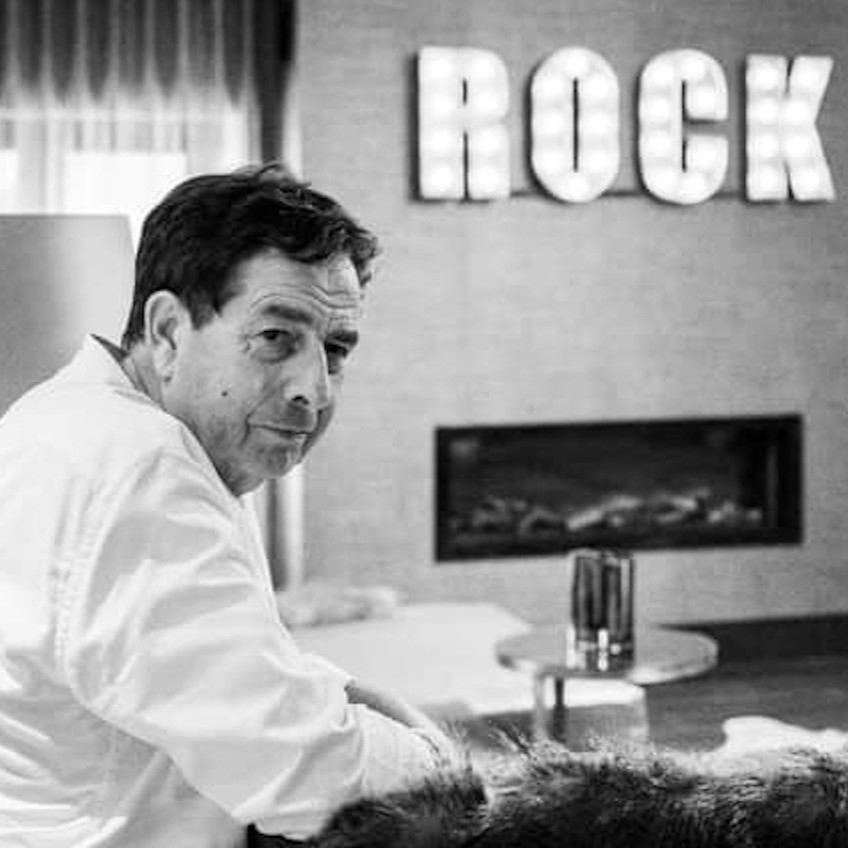

Pol Tonin (Daniel Pabst) was born in 1971 in Vienna, where he continues to live and work. His earliest immersion in the arts came through photography, working in his father’s gallery — the Michael Pabst Gallery in Munich — an experience that laid the groundwork for what would become a lifelong engagement with visual art alongside music. From 1990 to 1998, he studied jazz guitar and jazz composition at the Vienna Conservatory, graduating with a diploma and establishing the rigorous musical foundation that would define his subsequent career.
Pol Tonin’s musical output spans an unusually wide range of contexts and collaborations. Among his most notable projects, he worked alongside drummer and composer Lukas Ligeti in Noisy Town Groove (2006–2010), and collaborated with Jury Everhartz on the opera The Automatic Devil (2000). He was a member of the jazz trio Kontext (2002–2006), the electric guitar quartet Trafo (2004–2010), and the electronica band Tricsson (2008–2012). In 2011, he founded the record label 212 Records Pabst, and from 2012 has worked as the singer and songwriter of PABST. His production work has extended to festival contexts, including a 2013 commission for the Donaufestival with Vorarlberg performance artist Bella Angora and Dezibel 6 to 6 Strings.
His concert appearances reflect a broad international reach. He has performed at the Vienna Konzerthaus, Porgy and Bess (Vienna), the Ancienne Belgique in Brussels, the Austrian Cultural Forum in New York City, and the legendary experimental venue The Stone, also in New York — all before 2010. More recently, in 2020 he presented silent film scores at the Austrian Film Archive in Vienna.
In the 2020s, Pol Tonin has increasingly worked at the intersection of music and other narrative forms. He composed and recorded the soundtrack for the eight-episode NDR radio play Nur eine Ohrfeige (premiered November 2023), and served as composer and performing musician for a production of Sarah Kane’s Crave at the Landestheater Bregenz (premiered November 2023). He also composed and recorded the soundtrack for Angela Christlieb’s film Pandora’s Legacy (premiered January 2024). In 2025, he produced the album, New Home, for Pol Tonin.
Pol Tonin’s photographic practice has earned recognition at an international level. He received Honourable Mentions at both the Tokyo International Foto Award (TIFA, 2016) and the Moscow International Foto Award (MIFA, 2015). His exhibition history includes participation in Stinking Dawn with Gelatin and Liam Gillick at the Kunsthalle Wien (2019), the joint exhibition Tutto Bene with Ina Fasching shown at Gegenbauer am Naschmarkt in Vienna and at DWDS Bregenz (both 2021), and a solo exhibition Als die Tiere die Stadt verließen at the Galerie der Stadt Wels (2024). His work has also been presented at the Museum für Angewandte Kunst during FOTO::Wien (2015), at PhotoMonth London (2015), and at the Long Night of Museums in Klagenfurt (2014).
Across music, photography, and cross-disciplinary collaboration, Pol Tonin occupies a distinctive position in Vienna’s contemporary cultural landscape — an artist whose practice resists easy categorisation and continues to evolve across media and contexts.
With New Home out now, we took some time to hear from Pol Tonin. Read below to learn more about Pol Tonin, the story behind New Home, and what’s to come.
Hi Pol Tonin! Let’s start with how did you choose your artist name?
Pol is the middle name of my son, Elliot, and it is the first name of a Belgian artist I like a lot: Pol Bury. Tonin came up more abstractly — I liked the sound in combination with Pol; it is a short version of Antonin.
What city are you from, and where are you based now?
I am from Vienna, Austria, and I am still often there. But, I have had a country house for five years, and I produce music mostly there. My wife is a painter, and we bought the house to have a good working environment.
At what point in your life did you decide to pursue a career in music? How did you get started?
Actually, I was attracted by guitars at the age of 3 already. I have photos depicting me as a three-year-old kid with an orange child’s guitar. But I started to learn guitar at the age of 12. At 19, I started to study jazz guitar. At 27, I earned a degree in jazz guitar at the Vienna Conservatory. I had my first band at the age of 16. But, I started singing kind of late. The passing of my father was the catalyst for my singing career.
How would you describe your sound?
I believe this experience has also strongly influenced my sound. I make music to find a gentle way of dealing with grief, loss, hurt, and love. Life is a river; stopping its development or suppressing feelings is like blocking life. “Express and then let go” is my motto. I like a transparent sonic architecture. I try to give every note and harmony plenty of space. But when I improvise, it can also become more tense and dense. I generally like contrasts. Music is my calling, so I’m always searching for something that lies beyond the obvious and the describable.
Do you have any hobbies outside of music? What do you do to stay creative?
Actually, I have a second profession, which is photography — especially architectural photography. I also produce all my music videos myself. And then I collect art with a focus on the second generation of constructivism in Europe.
Who are some of your main musical influences?
That is a wide field. In terms of popular music, I love Radiohead, Björk, Antony and the Johnsons, and Grizzly Bear, among others. My first music tape was an album by Roxy Music, which I loved a lot (For Your Pleasure). But, I love a couple of contemporary composers as well, like Morton Feldman, John Cage, György Kurtág, and many others. Then, there is a lot of jazz that I admire: Tim Berne, Bill Frisell, Jimmy Giuffre, Bill Evans, etc. Currently, I often listen to The Smile, Thomas Stronen, and Benjamin Clementine.
What’s one of the proudest moments of your music career so far?
Many years ago, I played with my guitar quartet Trafo at the Vienna Konzerthaus, a concert hall steeped in tradition. That was a proud moment. Another proud moment was a concert with Lukas Ligeti, the son of György Ligeti, and others at John Zorn’s club in New York. It was actually a rather modest club, but it was in New York nonetheless, and we played some very good improvised music there.
What would you say are the greatest lessons that you’ve learned so far?
Never do anything that you don’t love.
Now onto your release, New Home. What inspired this album?
In particular, New Home came at a time of profound change, including the joyful news of my wife’s pregnancy.
What is the overall theme of New Home?
Speaking about the cathartic consequences of such a life-changing event, I understood that I had to come to terms with old wounds, to get rid of old baggage, and to become a good father for my child. So, my songs turned very personal. I decided to combine my experience in improvised music with my expertise in writing songs. The result is the most authentic work that I have ever done.
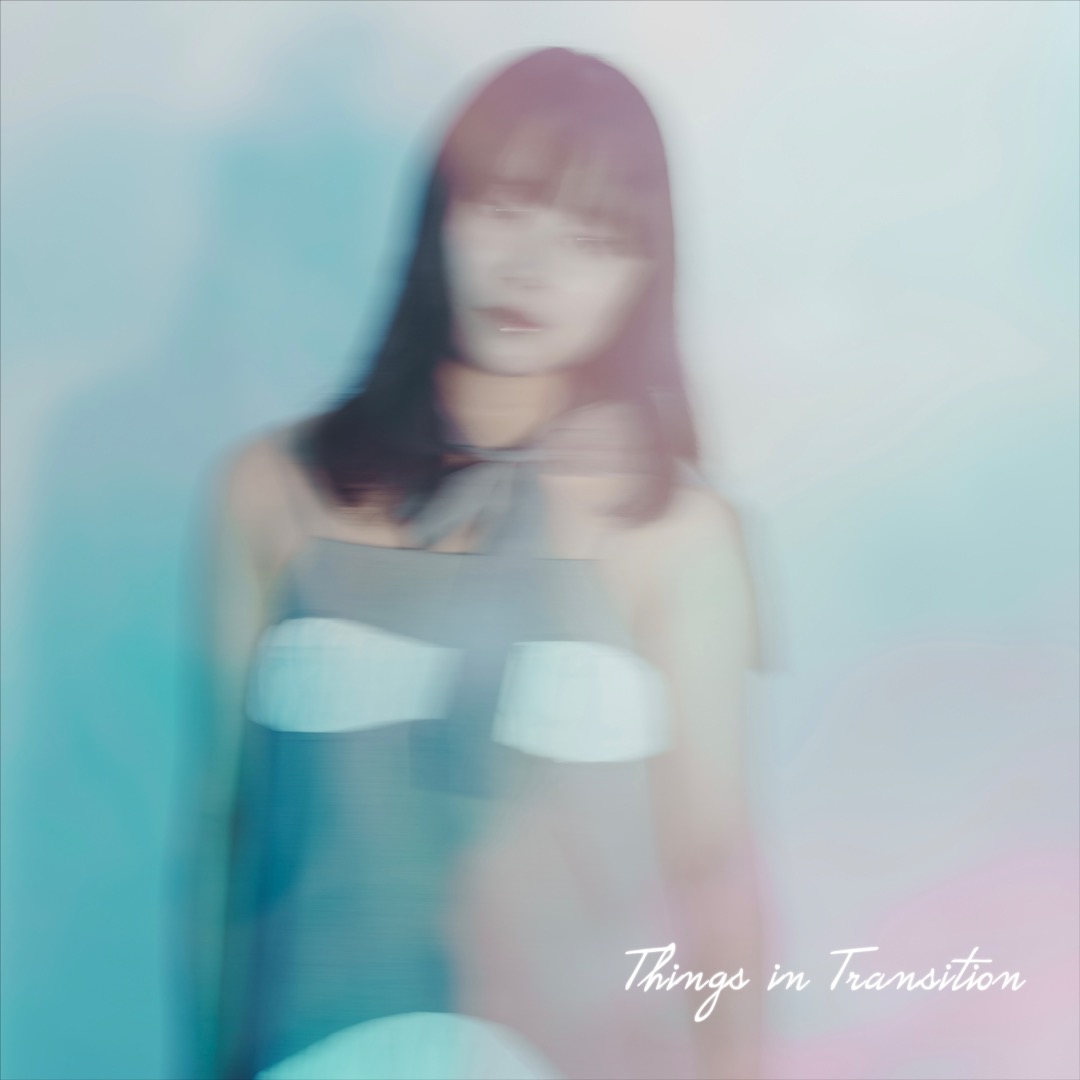
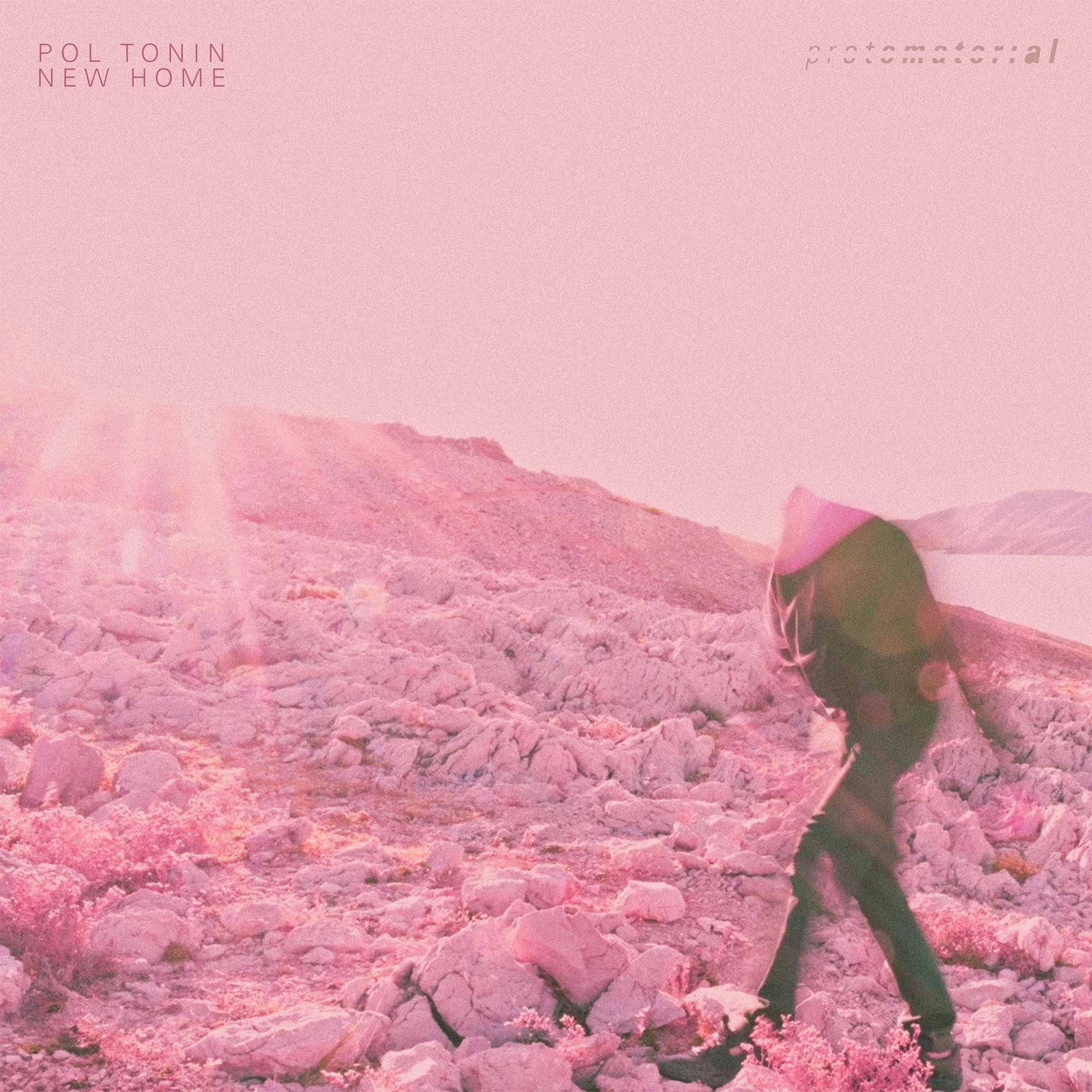
What was the inspiration behind the cover artwork for New Home?
It has something to do with ghosts. I understand ghosts as embodiments of past experiences I haven’t come to terms with — in other words, ghosts are the embodiment of your traumas.
What was the creative process like when making New Home?
I started recording my material in summer 2024 in my country house — a small villa with a romantic history. I was told that an Italian Count built it for his love affair. Her name was Rosa, and the villa’s name is Rosa as well. My wife and I renovated it over the last few years and planted our creative activities there.
I produced, recorded, and played all instruments on this record. Then, I visited a good friend’s studio in Vienna for the mixing. After this process I started to search for a label. The Viennese labels I approached for a collaboration refused my record — they didn’t like the fusion of experimental improvisations and songs. Then, I found Protomaterial Records, a label with a distinguished affection for unusual music projects. It is a very engaged young label, and I am proud to be part of their catalogue.
How long did it take to complete New Home?
Six months of recording, and then another year until it was released.
Is there a specific song on New Home that speaks to you the most? If so, why?
There are two songs that describe something very important in my life. The songs are called “Mother” and “Dear Father.” “Mother” isn’t just about my relationship with my mother — it’s also a definition of the foundation of life itself. Beneath the surface of the lyrics and music lies a mystical meaning. I still feel it intensely when I sing this song, and it’s not easily put into words.
What do you hope fans take away from New Home and your music in general?
I hope they spend a good time with my music and resonate with the open-minded character of my songs.
What’s next for you? Are you working on any upcoming projects, or do you have any upcoming shows that we should be on the lookout for?
I will play a show this summer in Vienna at the film festival “Kino wie noch nie.” This will be something very special. My grandfather was a filmmaker and I will perform a live soundtrack for one of his silent movies. Before the screening, I will perform the songs of New Home. I produced an art video for the performance, which will be screened as well. The dates are unfortunately still not fixed. In 2027, I will create the soundtracks for all of my grandfather’s silent movies during a retrospective in Vienna. In October this year, the birth of my second son is scheduled, so I am a bit hesitant to book shows at the moment. But, I hope to have more shows in 2027.
Where can we follow you on social media?
Instagram: @daniel.pabst
Facebook: https://www.facebook.com/daniel.pabst
Websites: www.poltonin.com / www.danielpabst.at
Before you go, let’s ask you an off-topic question. What is your favorite food?
Soul food!
Many thanks! Love, Pol Tonin
Of course, thank you for the great interview; wish you much continued success!