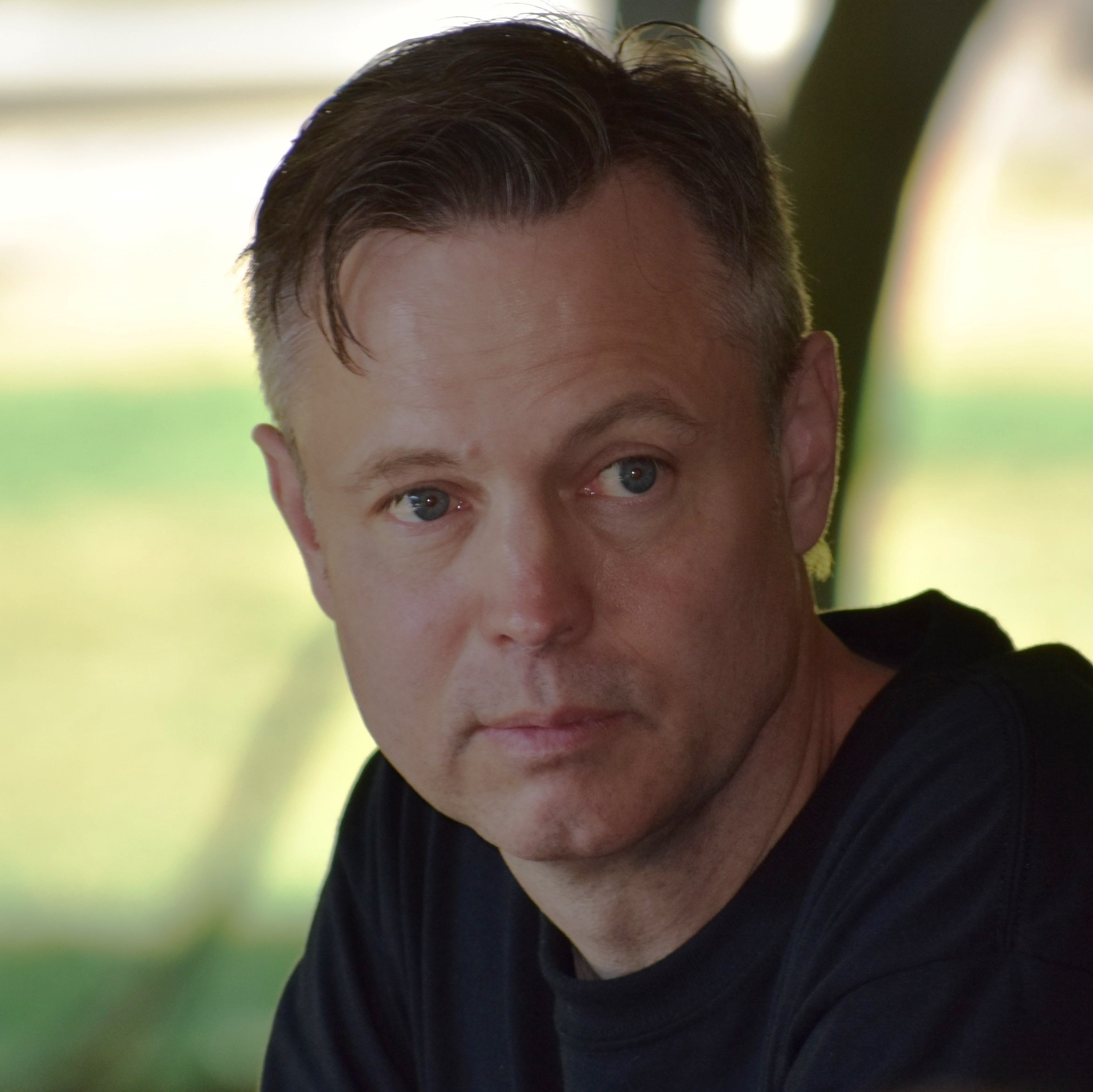

JAMES SHUMWAY began training as a classical pianist at age 6, and began writing music at age 9. This led to the composition of many instrumental works, numerous songs, various awards, and involvement in several bands. His classical pieces have been compared stylistically to those of Rachmaninoff and other Romantic Period composers.
His most recent release is “So Glad You’re Mine,” which he has released as both a piano solo and a piano and strings arrangement. His previous instrumental releases are his piano solos, “IOU,” “Regrets,” and “To the One I Love.”
His most recent awards include Best Musical Film, Short at the Munich Music Video Awards, First Prize for Video and Second Prize for Composition at the UK International Music Competition, and Gold Prize for Video and Silver Prize for Composition at the World Classical Music Awards.
With “So Glad You’re Mine” out now, we took some time to hear from JAMES SHUMWAY. Read below to learn more about JAMES SHUMWAY, the story behind “So Glad You’re Mine,” and what’s to come.
Hi! Let’s start with how did you get your artist name?
Well, James Shumway is my legal birth name, given to me by my parents. I know some artists feel the need to have a different stage name, but I’m happy with the one I have.
What city are you from, and where are you based now?
I’m from Provo, Utah, and I now reside in Salt Lake City, Utah. (U.S.A.)
At what point in your life did you decide to pursue a career in music? How did you get started?
I’ve loved music from the time I was one year old. At that age, I was already plunking on my parents’ keyboard and listening to their vinyl records. So, my mom started teaching me piano lessons when I was 6, and by age 9, I was already writing music and knew that’s what I wanted to do the rest of my life.
My parents eventually got me with more advanced piano teachers, and in high school I won awards for both performance and composition. During this time, I was also writing a lot of songs, which led to involvement with several rock bands as I continued writing the classical compositions I have been releasing over the last few years.
How has your upbringing played a role in shaping who you are and defining your sound?
I come from a very musical family. Both my grandmothers were excellent pianists, my mom was a fabulous singer and my father played guitar. So, I was surrounded by music basically from birth. My mom stated teaching me piano at age 6, and later got me in with more advanced piano teachers.
As far as defining my sound, my piano teachers played a key role because they exposed me to Beethoven, Rachmaninoff, and other composers known for passion and emotion in their music. I learned that the way you structure chords and melodies can be extremely powerful in conveying emotion, even without words.
How would you describe your sound to readers who may not be familiar with you?
I would say the sound of my classical compositions is closest to that of the Romantic Period composers. It tends to be very passionate and emotional in nature.
Do you have any hobbies outside of music? What do you do to stay creative?
Music is pretty much my life right now. But another great love that I have is being out in nature. Utah is full of breathtaking mountain vistas, and my love for nature was a key reason why I chose to do my video of “To the One I Love” in Aspen Grove at the base of Mount Timpanogos.
As far as staying creative, I always try to stay focused on the passion that I have for the music that I’m creating, and thinking about how satisfied I’m going to be when the project is done.
Who are some of your main musical influences?
As far as my classical pieces are concerned, my main musical influences would clearly be Beethoven, Rachmaninoff, and Tchaikovsky. I’m so in awe of their body of work.
My songwriting was greatly influenced by classic rock bands, such as Styx, Rush, and Journey, and alt-rock bands like Green Day, Foo Fighters, and Stone Temple Pilots.
Which musician or musicians would you choose to meet in person if you could?
The members of the band Rush. They were all virtuosos on their instruments and incredibly creative both musically and lyrically. Sadly, Neil Peart has left us, but it would be amazing to hang out with Geddy and Alex.
What’s one of the proudest moments of your music career so far?
If we’re going by most recent, it would be winning awards for both music video and composition at the U.K. International Music Competition and the World Classical Music awards and winning the award for Best Musical Film, Short at the Munich Music Video Awards.
What would you say are the greatest lessons that you’ve learned so far?
That you have to keep persevering towards your goals, no matter how difficult things get. I’ve had a lot of set backs in my life, so I’ve had to push my way through and around so many obstacles to get to where I am.
Now onto your release, “So Glad You’re Mine.” What inspired this song?
It was originally an actual song that I wrote with lyrics. The theme of it was an ode to a life partner, someone you made the decision to spend the rest of your life with, and, looking back, you’re grateful for that decision you made.
I eventually converted that song into an instrumental that, through the music, conveys that same emotion.
What was the inspiration behind the cover artwork for “So Glad You’re Mine?”
When I completed the version of the piece with the piano and strings, I knew I wanted artwork that reflected that aspect. So, I came up with the idea of a grand piano with a cello and violin sitting in front of it.
What was the creative process like when making “So Glad You’re Mine?”
When I wrote the original song, I was really going for music that sounded very euphoric and joyful, but also intimate and contemplative at the same time. And, I think that’s why the music transitioned so well to an instrumental.
In making that transition, I took the accompaniment for the original song and converted it into a piano solo. Later, the idea occurred to me to create an additional version as a piano and strings arrangement. That was particularly challenging because I had to decide at what points the strings should be playing, as opposed to just the piano, or both together. In the end, I was very happy with how things turned out.
How long did it take to complete “So Glad You’re Mine?”
I converted the song to a piano solo several years ago, but the recording of the piano solo that you hear was done at the end of last year, and the piano and strings version was completed between June and July of this year.
What do you hope fans take away from “So Glad You’re Mine” and your music in general?
I hope fans of my music find “So Glad You’re Mine” to be an emotionally fulfilling experience, something that speaks directly to the heart. That has really been the goal with all of my music.
What’s next for you? Are you working on any upcoming projects, or do you have any upcoming shows that we should be on the lookout for?
Right now, I’m working on releasing as much music as possible. I already have tracks laid down for several other pieces. I’m also in the planning stages for a series of high quality music videos that I hope my fans will enjoy every bit as much as the video of “To the One I Love.”
Where can we follow you on social media?
https://www.facebook.com/jamesshumwaymusic
https://www.tiktok.com/@jamesshumwaymusic
https://www.instagram.com/james_shumway_music
Thank you for the great interview; wish you much continued success!