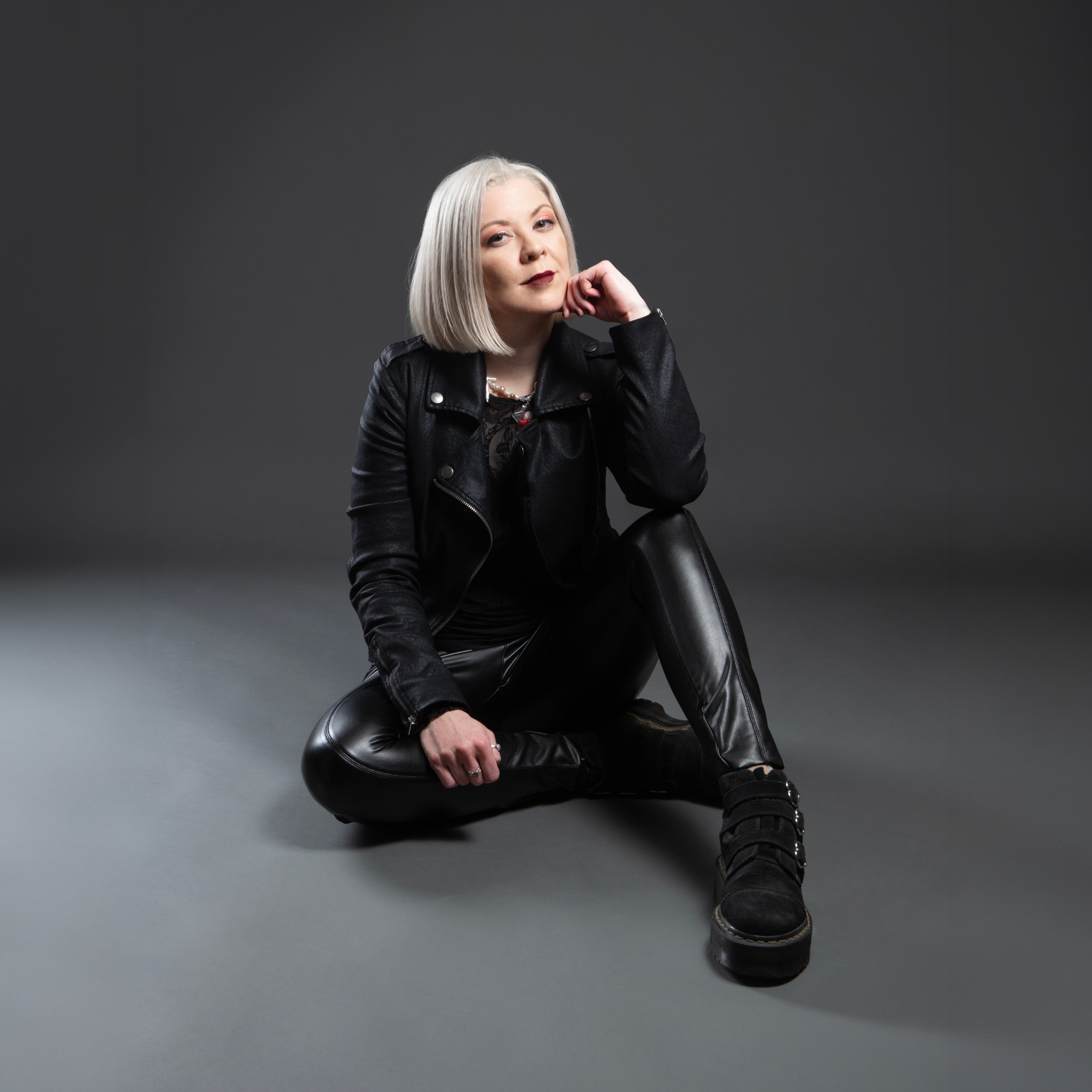

Ana Amado is a Portuguese singer-songwriter based in London. With a background in performing arts and a passion for music, dance, and storytelling, she creates dark, cinematic soundscapes that blend emotional depth with evocative visuals. Drawing inspiration from her cultural roots, personal experiences, and a wide range of musical influences, from jazz and alternative pop to progressive metal, Ana Amado crafts music that explores resilience, introspection, and the human experience. Her debut single, “Dahlia,” showcases her distinctive style, combining rich lyricism, moody atmospheres, and a commitment to authentic, emotionally driven artistry.
With her debut single, “Dahlia,” out now, we took some time to hear from Ana Amado. Read below to learn more about Ana Amado, the story behind “Dahlia,” and what’s to come.
Hi Ana Amado! Let’s start with how did you get your artist name?
Hello, thank you for having me! My artist name is actually my real name. I’m Portuguese, and when I considered using a stage name, I decided to keep it as it is because I think it flows nicely and it’s easy to remember. I’ve even had some people tell me that it already sounds like an artist name, which I think is funny. For me, it felt right to stay authentic, everything I release comes from a real place within me, so I didn’t feel the need to make a separation.
What city are you from, and where are you based now?
I was born in Lamego, Portugal, but I grew up in Leiria. And, I’m currently based in London.
At what point in your life did you decide to pursue a career in music? How did you get started?
I think that I’ve always known I wanted to pursue something artistic. As a child, I loved pretending to sing and perform. At three years old, I would tell my mum that I wanted to be a ballerina, every time we’d walk past a local dance school, and eventually she signed me up. I ended up doing ballet for almost ten years.
Singing and performing felt natural, and by the time I finished secondary school, I moved to the UK to study Performing Arts at Cambridge, which is really where my journey began.
How would you describe your sound to readers who may not be familiar with you?
I’m quite eclectic in terms of music genres, and I think my sound is something that will always keep evolving. So rather than focusing on genre, I think about my music in terms of mood and emotion. “Dahlia” leans toward a dark, cinematic sound, with an emphasis on storytelling and lyrics. I’m drawn to music that evokes feeling and atmosphere, so for me it’s more about creating a space for listeners to connect emotionally.
If your music existed in a fictional world or universe, what would it look like?
If my music existed in a fictional world, it would probably be somewhere filled with mysticism and rich history. I imagine dim lights, moody atmospheres, and a sense of wonder and fantasy. I’m very drawn to storytelling and imagery, so in my mind music often feels like stepping into another universe. Ideally, I want listeners to feel transported, as if they’re entering a different world for a moment and experiencing the emotions and stories within it.
Do you have any hobbies outside of music? What do you do to stay creative?
I love reading, especially fantasy-driven stories, and I’m drawn to visual arts. I’m also a dancer, currently part of a trio that blends belly dance and contemporary dance with theatrical elements to create performative storytelling pieces. Occasionally, I also model for photography projects and have recently collaborated with “Holistic Creatives” events in London. For me, anything that combines strong visuals, emotion, and narrative keeps my creativity flowing.
Who are some of your main musical influences?
One of my biggest influences has actually been my brother, Carlos Amado. He’s a musician himself, so music was always present around me growing up. Shout out to his band, Dallian.
Beyond that, my taste in music ranges from artists like Jill Tracy, Chet Baker, Portishead, Massive Attack who all bring a very distinctive mood to their music, to heavier sounds like Opeth and Dir en Grey, who have been particularly influential for me, especially in the way their sound has evolved and developed over time whilst still keeping their own personal signature.
What’s one of the proudest moments of your music career so far?
One of the moments I’m most proud of actually happened during my final year at university. For my dissertation, I created a performance piece about fado, the traditional music of Portugal. I combined music, narration, acting, dance, and storytelling to present the history of fado and its cultural significance.
What made it even more special was that my mother, who is a fado singer and inspired this project, came to perform with me, alongside my brother and a family friend who all flew over from Portugal to help. Sharing a piece of my culture with my lecturers and colleagues, and seeing their engagement and appreciation, was incredibly meaningful. At the end, the project won Best Major Project for my year, which made it all the more rewarding.
What would you say are the greatest lessons that you’ve learned so far?
For me, the biggest lesson has been resilience. The music industry can be incredibly challenging and sometimes discouraging, especially with so much content being constantly released, it’s easy to feel like you should be at a certain stage in your career, and when things don’t happen as quickly as you hope, it can be demotivating.
What I’ve learned is the importance of believing in yourself and your potential and remembering why you started in the first place. Everyone has their own journey, and as long as you stay true to your vision and your passion, that’s what really matters.
Now onto your release, “Dahlia.” What inspired this song? What is “Dahlia” about?
Well, “Dahlia” is, coincidentally, a song about resilience. While it certainly draws from my own creative journey, it’s also about navigating life’s challenges more broadly, those moments when everything feels heavy or difficult. The song is about holding onto inner strength and remembering that tough times aren’t permanent, and that things can get better if you keep going and fight for what you believe in.
I was inspired not only by my own struggles, but also by witnessing people around me facing their own dark moments and the ongoing mental fight it takes to keep moving forward.
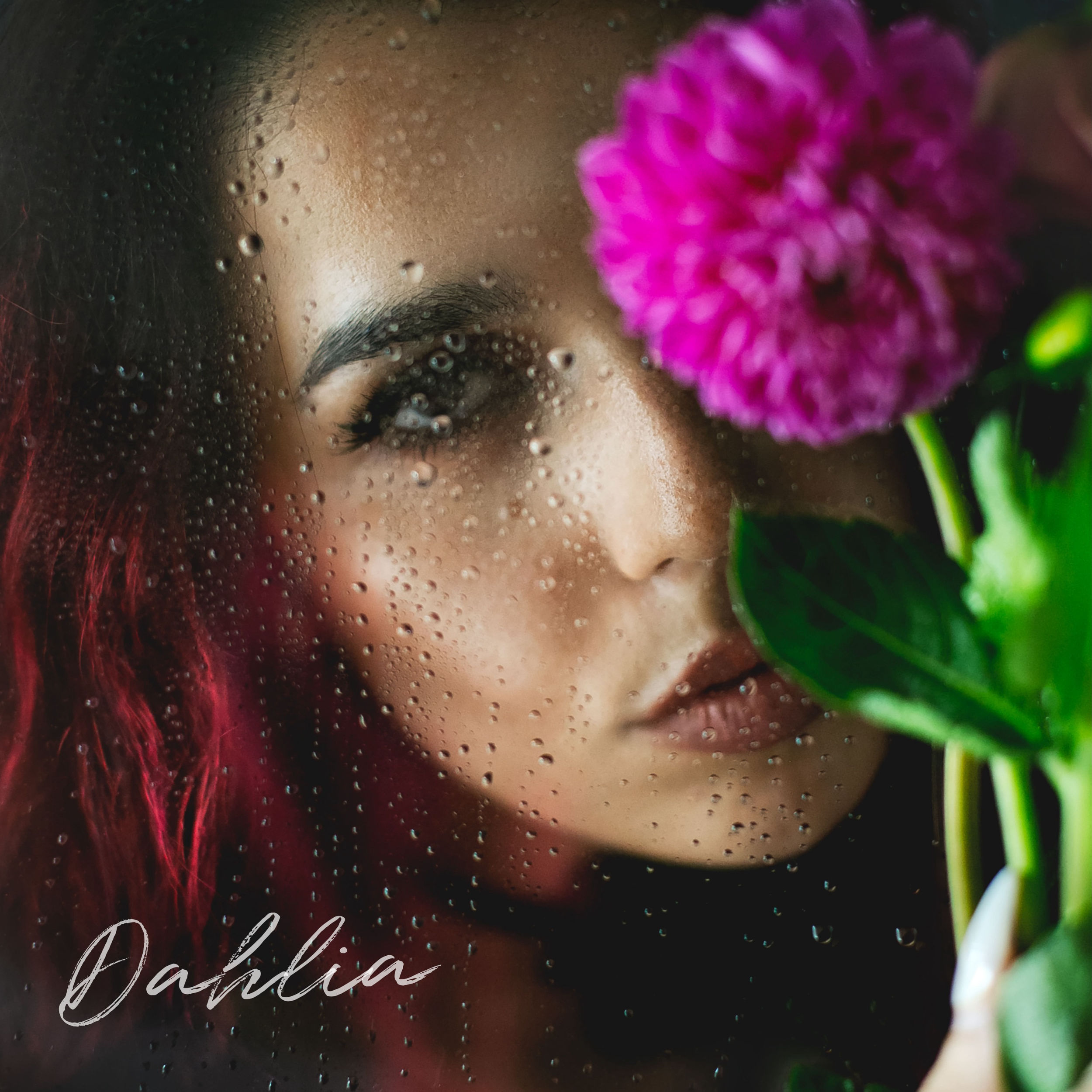
What was the inspiration behind the cover artwork for “Dahlia?”
The artwork, photographed by Emma Boittiaux, was inspired by the song’s imagery. The Dahlia flower, that is known for symbolising inner strength, is the focus, set against a moody, darker background with water droplets. My own face is slightly blurred behind the glass, intentionally shifting attention to the vibrant flower, which is the song’s focal message of endurance.
What was the creative process like when making “Dahlia?”
“Dahlia” was co-composed with Alessandro Volanti, an Italian musician and composer. He reached out to me after I’ve been looking for collaboration opportunities. He had already started developing the track, and I immediately connected with the instrumental, I could already imagine the vocals and the overall theme for the song.
We worked on it remotely, with him in Italy and me in London, which was a really interesting experience. I focused mainly on the songwriting and vocal elements while he refined the instrumental, and we made a few tweaks together along the way. In the end, everything came together seamlessly, and it was exciting to see the track take shape across two countries.
How long did it take to complete “Dahlia?”
The initial creation took a couple of months, with Alessandro and me sending material back and forth and giving each other feedback. After finishing, we actually left it dormant for a few more months. Eventually, with encouragement from my partner and family, I reached out to Alex Brown (ABComposer) to mix and master the track, bringing it to its final stage for release.
What is your favorite lyric in “Dahlia” and why?
My favorite lyric is right at the beginning: “Come slip into the night. Where shadows dance inside. These thoughts stuck in your mind. Feel the heartbeat. You’re alive.” I particularly like it because it sets the mood for the song while capturing its central message. It reflects the way we can sometimes be drawn into the darkness of our own thoughts and feel the weight of them.
At the same time, it’s a reminder that we’re still here, present and alive. No matter how heavy or hopeless our thoughts may feel, as long as we’re alive and grounded in the moment, we have the potential to move forward, create, and do what we want.
What do you hope fans take away from “Dahlia” and your music in general?
I hope my music connects with listeners in a way that feels relatable, or at the very least, makes them reflect and feel inspired. I want people to feel understood, that someone else has put into words or song what they’re experiencing. Even in dark or challenging moments, I hope my music reminds listeners that they’re not alone and that there’s comfort in knowing someone else has felt similar things.
What’s next for you? Are you working on any upcoming projects, or do you have any upcoming shows that we should be on the lookout for?
I’m working on new music and hope to release a few singles soon, eventually building toward a full concept album. In terms of live shows, I’ll be performing “Dahlia” on April 4th at a Holistic Network Event in London. I’m really excited to share my original music in a live setting for the first time.
Where can we follow you on social media?
You can follow me on:
Instagram: @_ana.amado
YouTube: @ana_amado
Spotify: https://open.spotify.com/artist/4yc52G7HUoOazHToOcB7eY
Thank you for the great interview; wish you much continued success!