
Neo Brightwell is a genre-defiant American songwriter and performer whose work blends outlaw gospel, Americana, disco pulse, and queer liberation into what he calls Moonshine Disco. His music functions as testimony, ritual, and refusal—songs built not for trend cycles but for survival, witness, and communal memory. Across projects like An American Reckoning and We Didn’t Survive to Be Quiet, Neo Brightwell has earned international critical attention for his lyric-forward storytelling, ethical urgency, and emotionally fearless performances. His work has been praised for its literary depth, spiritual subversion, and rare ability to turn personal survival into shared meaning.
With We Didn’t Survive to Be Quiet out now, we took some time to hear from Neo Brightwell. Read below to learn more about Neo Brightwell, the story behind We Didn’t Survive to Be Quiet, and what’s to come.
Stream We Didn’t Survive to Be Quiet: https://neobrightwell.bandcamp.com/album/we-didn-t-survive-to-be-quiet
Hi Neo Brightwell! Let’s start with how did you get your artist name?
Neo Brightwell came out of necessity more than invention. “Neo” means new, but not in a shiny way—new as in after something burned. Brightwell is a reclaiming of light, but not the soft kind. It’s brightness earned through heat. The name gave me permission to tell the truth without dragging my old ghosts into every room. It’s not a persona—it’s the voice that survived.
What city are you from, and where are you based now?
I’m originally from Lancaster, Pennsylvania. I’m based in Philadelphia now. That distance matters to me—close enough to remember where I came from, far enough to speak freely about it.
At what point in your life did you decide to pursue a career in music? How did you get started?
I didn’t decide in the clean, romantic sense. Music showed up as a way to stay alive before it ever became a career. I started writing because silence was costing too much. Eventually, the songs asked to be heard—not because I wanted recognition, but because they didn’t belong to me alone anymore.
How would you describe your sound to readers who may not be familiar with you?
I make Moonshine Disco—outlaw gospel with a pulse. It’s Americana that learned to dance, disco that learned to testify, and protest songs that know how to hold tenderness. The groove carries the body; the lyrics carry the reckoning.
Do you have any hobbies outside of music? What do you do to stay creative?
I make visual art, write poetry, and walk a lot—long walks where nothing productive happens. Creativity shows up when you stop trying to optimize it. I protect boredom the way some people protect studio time.
Who are some of your main musical influences?
I’m influenced less by individual artists and more by traditions—gospel as survival language, outlaw country as refusal, disco as communal joy, and protest music as moral record. I listen for lineage more than sound.
Who would be a dream to collaborate with?
Anyone who understands restraint.
What’s one of the proudest moments of your music career so far?
Realizing that people across different countries, cultures, and languages heard An American Reckoning and felt less alone. When something that personal travels that far, you know it touched truth.
What would you say are the greatest lessons that you’ve learned so far?
That clarity is kinder than silence. That survival is not a solo achievement. And that if a song costs you nothing, it probably won’t give much back either.
Now onto your release, We Didn’t Survive to Be Quiet. What inspired this album?
The moment after survival—the part no one writes about. This album came from watching how people are told to soften, sanitize, or stay grateful once they’ve made it through something brutal. I wanted to honor the fact that surviving doesn’t obligate you to be quiet.
What is the overall theme of We Didn’t Survive to Be Quiet?
Witness without apology. It’s about refusing erasure, refusing politeness as a moral requirement, and choosing voice even when it trembles.
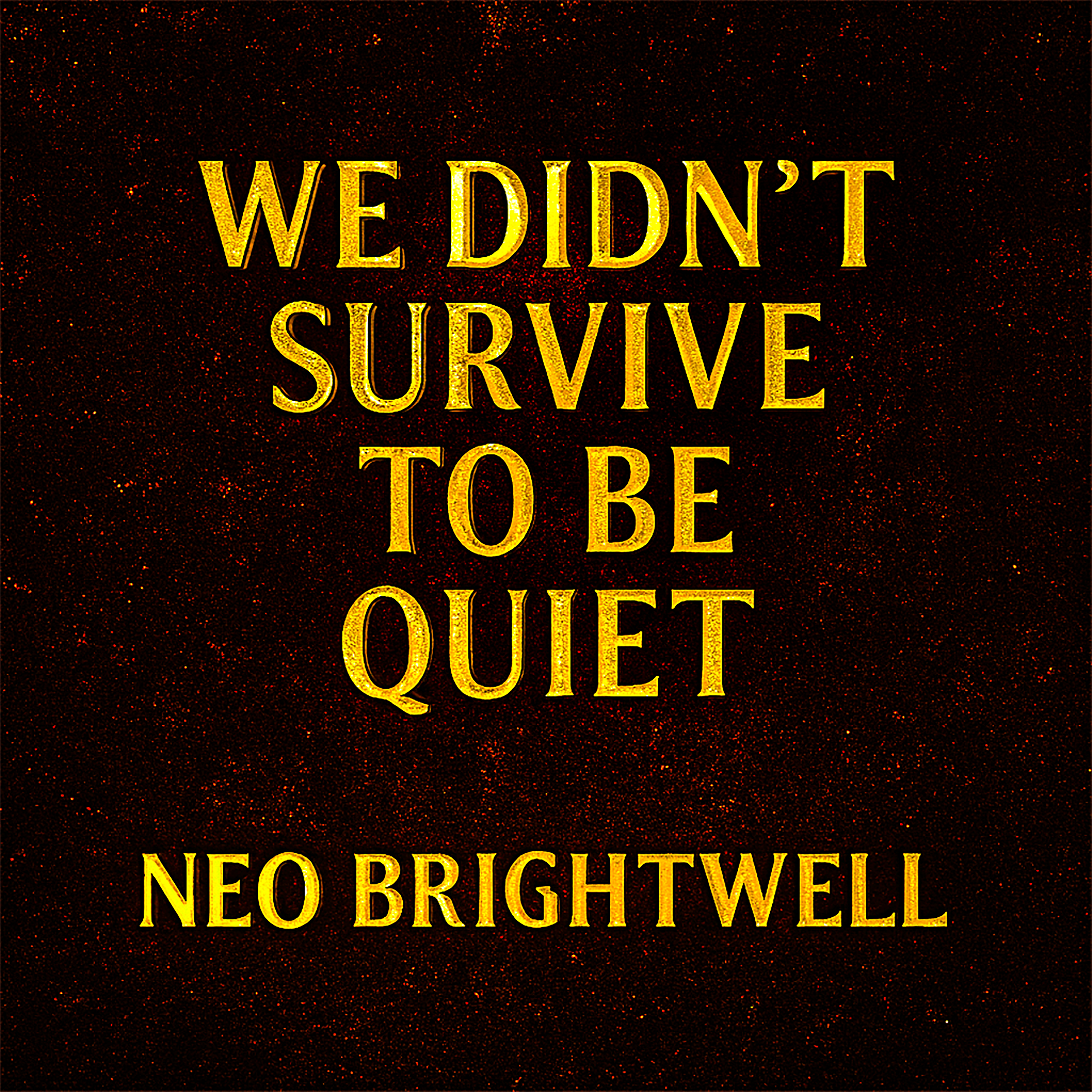
What was the inspiration behind the cover artwork for We Didn’t Survive to Be Quiet?
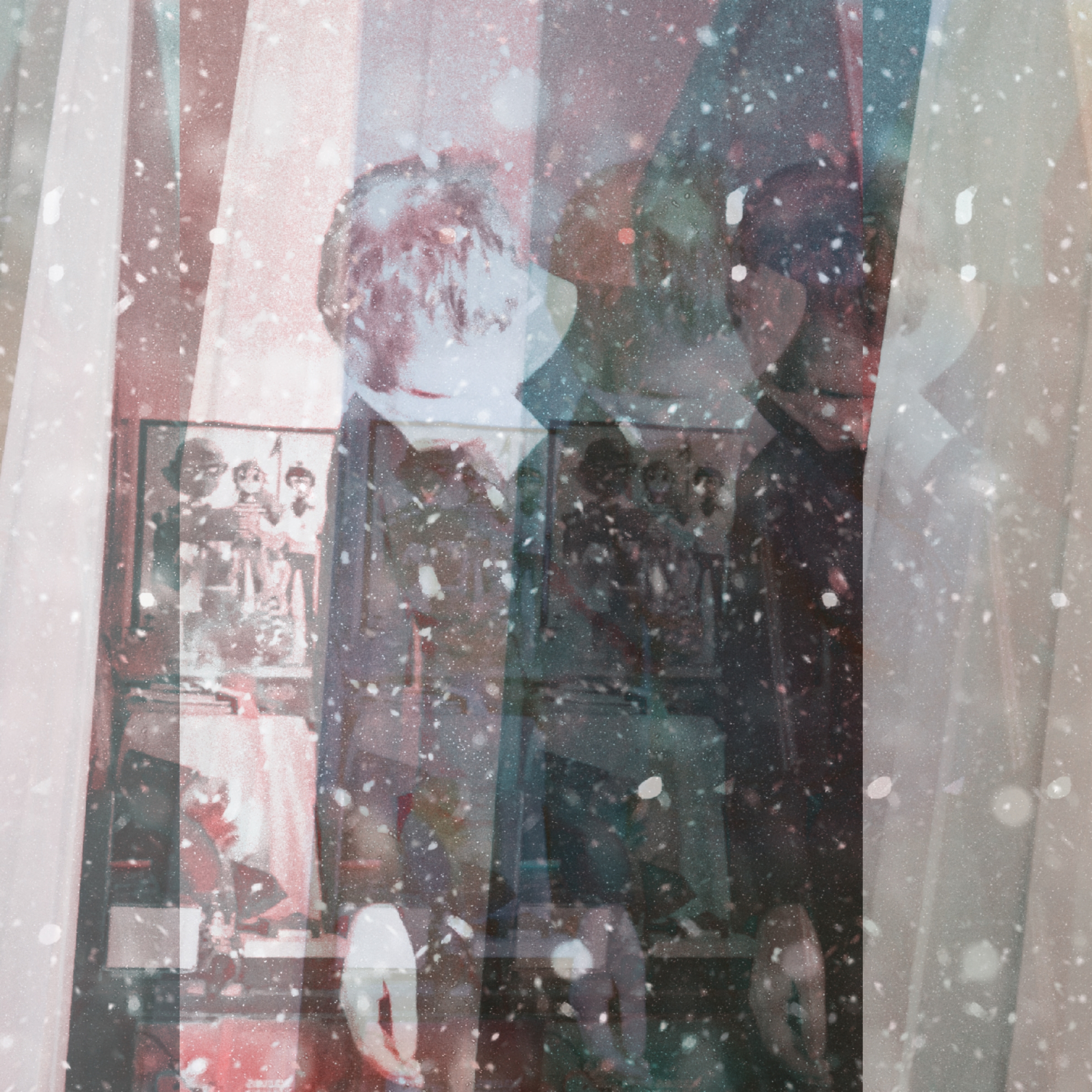
I wanted the artwork to feel burnished—not pristine. Gold, but weathered. Light that’s been through fire. The image isn’t about triumph; it’s about endurance that still shines.
What was the creative process like when making We Didn’t Survive to Be Quiet?
Slow, intentional, and honest. I didn’t chase trends or playlists. I followed emotional accuracy. Every song stayed until it told the truth cleanly enough to stand on its own.
How long did it take to complete We Didn’t Survive to Be Quiet?
Years emotionally. Months practically. Some songs arrive fast; others need you to live long enough to finish them.
Is there a specific song on We Didn’t Survive to Be Quiet that speaks to you the most? If so, why?
“We Sang Anyway.” It’s for the voices that didn’t make it, and for the ones who did without applause. It carries grief without turning it into spectacle.
What message or messages do you hope fans take away from We Didn’t Survive to Be Quiet and your music in general?
That your voice counts even when it shakes. That survival isn’t gratitude—it’s proof. And that joy and rage can share the same body without canceling each other out.
What’s next for you? Are you working on any upcoming projects, or do you have any upcoming shows that we should be on the lookout for?
I’m continuing to build the Moonshine Disco world—music, writing, and live performance as ritual rather than product. Live shows are coming, but I’m being intentional about when and how they happen.
Where can we follow you on social media?
Bandcamp: https://neobrightwell.bandcamp.com
Instagram: https://www.instagram.com/neobrightwell
Facebook: https://www.facebook.com/neobrightwell
YouTube: https://www.youtube.com/@neobrightwell
Before you go, let’s ask you something off-topic. What is your favorite food?
Something simple that tastes like it remembers you.
Thank you for the great interview; wish you much continued success!